19 October 2026
What counts as a material change under scheduled monument consent
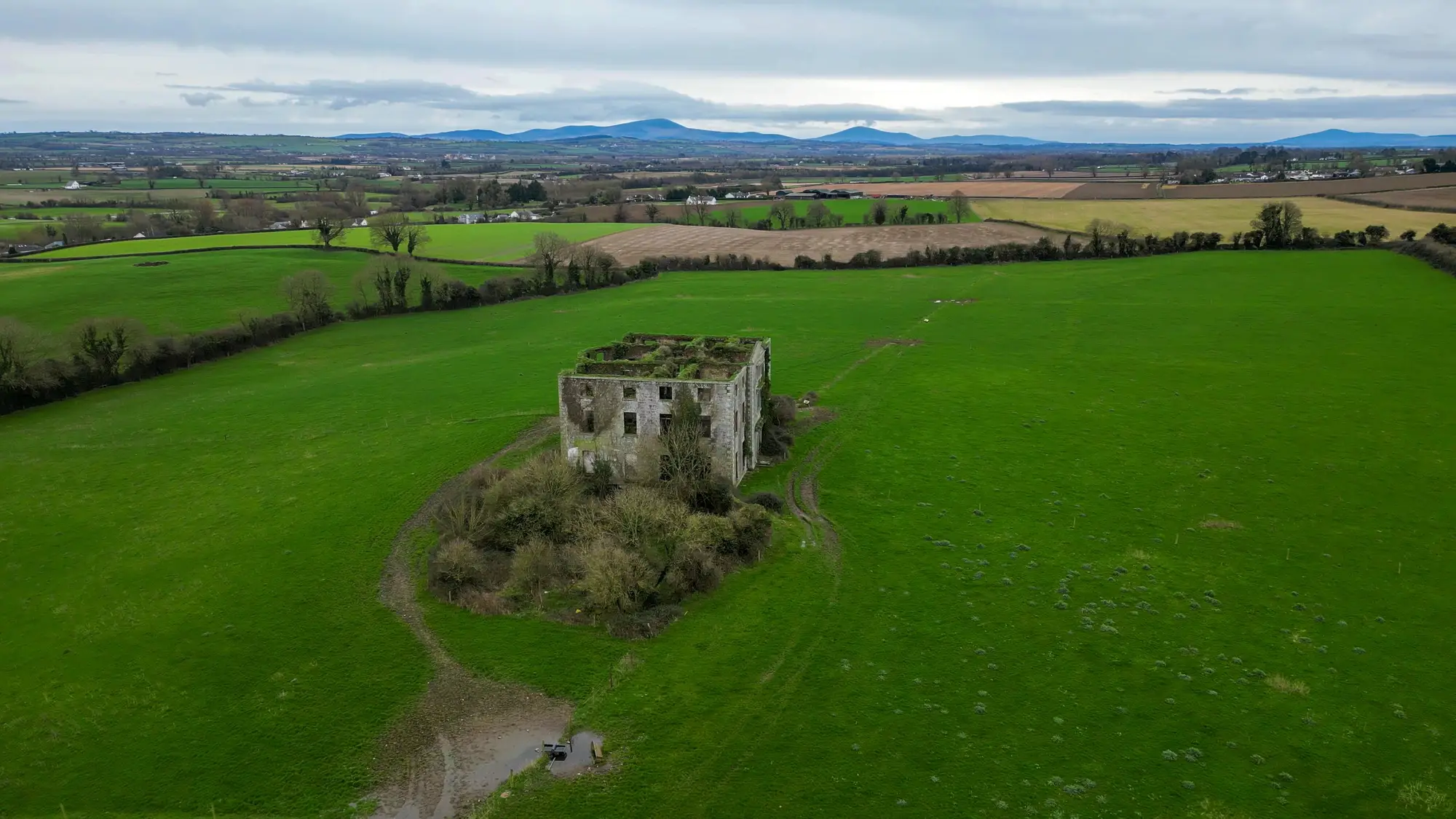
If you work for a conservation authority, you've had this conversation more than once: someone wants to put in a new field drain, repoint a section of wall, or regrade a bit of ground near a scheduled monument, and the question on the table is whether that needs Scheduled Monument Consent at all. The Ancient Monuments and Archaeological Areas Act 1979 doesn't hand you a numeric threshold for "material change." It asks whether the works would demolish, destroy, damage, remove, repair, alter, add to, flood, or tip on the monument. That's a wide net, and it's deliberately not a checklist.
The honest answer to "what counts as a material change" is that almost anything physically touching the scheduled area or its setting counts, provided it affects the monument's archaeological or historic interest. There's no size cutoff below which you can assume consent isn't needed. A fence post hole can matter on a thin stratigraphy. A full barn conversion might be less consequential below ground if the archaeology sits deeper. The judgment sits with the case officer, informed by what's actually known about the monument's below-ground and above-ground condition, not by a rule of thumb.
Works that usually trigger notifiable works to a scheduled monument
A few categories come up again and again in casework:
- Ground disturbance of any kind: drainage, fencing, planting with root systems, cable or pipe routes, even some agricultural operations below normal cultivation depth.
- Repair or consolidation work on standing fabric, including repointing, stone replacement, or structural propping, even when it's framed as "like for like."
- Changes to water management, since many monuments (moated sites, wetland deposits) depend on a stable water table that a new ditch or borehole can disrupt without anyone touching the monument directly.
- Access works: new paths, hardstanding, or visitor infrastructure that compress or disturb the scheduled area.
- Anything that alters the setting in a way that affects how the monument is read or experienced, which is a separate but related consideration from physical works.
Maintenance that leaves the historic fabric and deposits undisturbed, mowing being the obvious example, usually sits outside the consent requirement, as do works entirely outside the scheduled boundary with no plausible physical effect on it. Even here, boundary surveys are worth checking. Scheduled areas are sometimes larger, or drawn differently, than site users assume.
Where the scheduled monument consent threshold gets decided
In practice, the threshold isn't written down in advance. It gets worked out case by case, and the deciding factor is usually evidence, not category. If an applicant or an officer can show the before-condition of the monument with enough precision, it becomes much easier to argue that a proposed change is trivial, or to show exactly why it isn't. Conversely, if nobody has a reliable record of condition before works start, any dispute about whether damage occurred, or how much, turns into a he-said-she-said with fading memories and old photographs.
The gap that trips up a lot of consent cases is a missing documented starting point to measure against. A site visit with a camera gives you an impression. It doesn't give you something you can overlay against the monument six months or six years later and say, with a number attached, whether ground level has shifted or a wall face has moved. For that you need a baseline that's measurable, which is the gap Heritage Documentation is built to close: a photogrammetric 3D model flown once as a baseline and again at each condition review, so "has this changed" has an answer you can point to instead of argue about.
A few scenarios officers see
A farmer wants to deepen an existing field drain that crosses the edge of a scheduled barrow cemetery. Minor on paper, but it's ground disturbance inside the scheduled area, so it's notifiable regardless of how small the trench is. A landowner wants to replace a few loose capstones on a scheduled cairn with matching stone from the same source. Still repair work to a scheduled monument, still needs consent, even though it reads as conservation rather than development. A utility company wants to run a cable along a road verge that clips the setting of a hillfort but not the scheduled area itself. This one is murkier and usually needs a setting assessment carried out alongside the consent process.
The pattern across all three is this: what decides the outcome is whether the works touch protected fabric, deposits, or water regime, and whether anyone holds a condition record showing the monument's state beforehand. If you're building that record for the sites on your register, a measurable baseline is worth setting up before the next consent application lands on your desk.