26 October 2026
What is a condition grading scale for listed buildings?
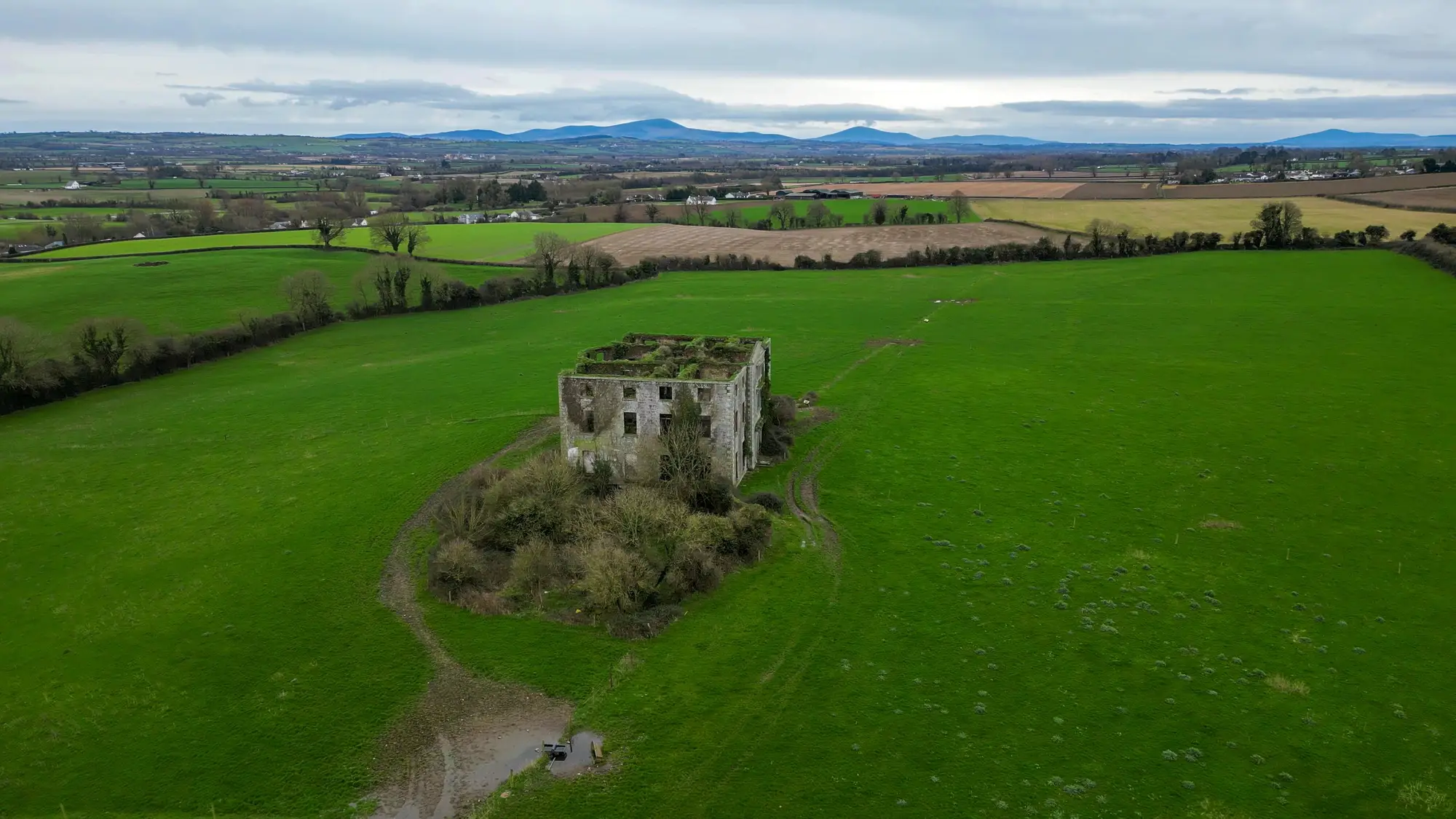
A condition grading scale is the shorthand a survey report uses to sort every defect, every damp patch, every cracked mullion into a category that tells the reader how urgent it is. Walk round a listed building with a surveyor and you won't get paragraphs of prose for each stone. You'll get a grade, a note, and a photo reference. That's the whole point: grading turns a pile of observations into something you can sort, prioritise, and compare against the last inspection.
For conservation officers this matters because grading is how condition gets tracked over years rather than just described once. A quinquennial inspection, a stock condition survey, a routine site visit, they all lean on some version of a grading scheme to flag what needs attention now versus what can wait for the next cycle.
The A, B, C, D scale
The most common scheme you'll meet on ecclesiastical and heritage stock surveys runs A to D, roughly:
- A: no action needed, keep monitoring
- B: defects that should be addressed within the current maintenance cycle
- C: defects needing attention soon, often within 12-24 months
- D: urgent, structural, or safety-critical work required now
Different survey firms tweak the wording at the edges, and some heritage bodies use a five-point version instead, but the logic stays the same: the letter tells you urgency, the note underneath tells you what and where. This is the scheme most conservation officers will recognise from quinquennial church inspections and similar periodic reviews.
RICS condition ratings
RICS surveys run on a different but related scale, used on Home Survey and building survey reports: Condition Rating 1 (no repair currently needed), Condition Rating 2 (defects exist that need repairing but aren't urgent), and Condition Rating 3 (defects are serious and need urgent attention or further investigation). It's a three-point scale rather than four, and it's built for general property surveying rather than heritage work specifically, but you'll see it crop up on listed buildings that also go through a standard RICS survey, say for insurance or purchase purposes. Officers reviewing a mixed bag of reports sometimes have to translate between the two scales when comparing a heritage condition survey against a RICS building survey for the same asset.
Where grading scales fall short
Here's the gap conservation officers run into: a grade is a judgement call. One surveyor's B is another's C, especially years apart, with different people doing the walkround each time. The grade also doesn't tell you whether a crack has widened by 2mm since last time or stayed put. It records a category, not a measurement. So the record you're left with after three or four inspection cycles is a string of letters and some written notes, useful for flagging priorities but not much use for proving whether decay is accelerating or settling down.
That's the limit of grading on its own. It sorts defects by urgency at a point in time, but it doesn't give you a baseline you can measure against later without relying on someone's memory of what the stonework looked like five years ago, or digging through old photos that were never taken from the same angle or distance.
A grading scale and a measurable record aren't competing things, they do different jobs. The grade still tells a maintenance team what to prioritise. A proper baseline, built from a survey that captures the actual geometry of the structure, is what lets you check whether the crack the last report graded C has actually moved. Heritage Documentation builds that baseline from drone or aircraft photogrammetry so the next condition review has something firmer than a photo album and a letter grade to compare against.
If your grading records keep raising questions a letter and a note can't answer, it might be worth getting a baseline in place before the next review cycle.