9 November 2026
What is a conservation management plan, and where does the condition baseline fit in?
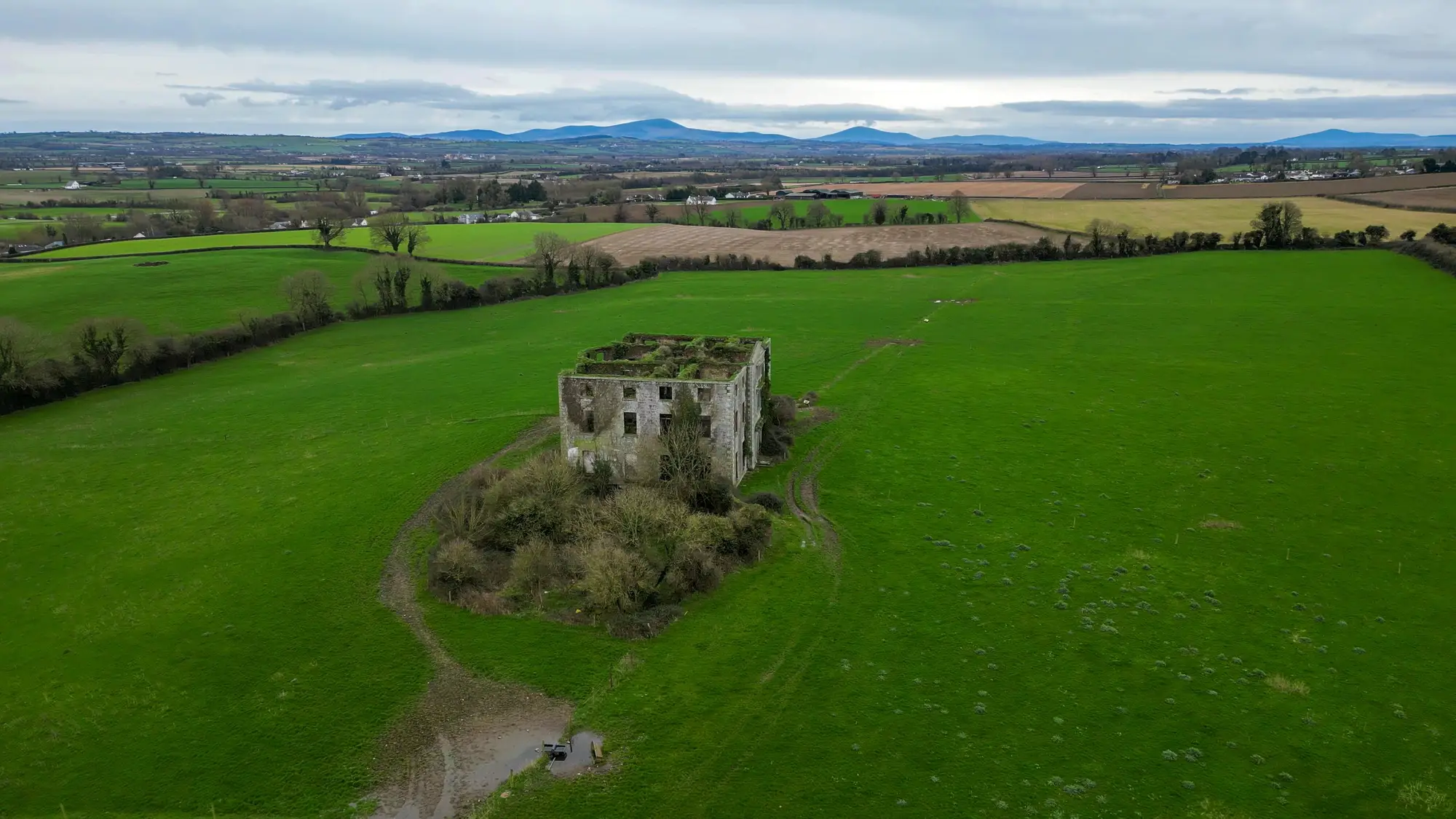
If you work for a conservation authority, you've written or inherited a conservation management plan for at least one scheduled monument on your list. The format varies by authority, but the core is always the same: a statement of significance, a set of policies for managing that significance, and a record of the monument's condition against which future decisions get made. That last part is where most plans are thinnest, and where most of the arguments happen five years later.
A conservation management plan (CMP) is the document that sets out why a site matters, what could threaten that significance, and what management actions follow from it. It sits behind both the maintenance schedule and any planning application, supplying the reasoning that neither document spells out on its own. A good CMP for a monument typically covers:
- The statement of significance: what makes the site important, drawn from its history, fabric, setting and any designation
- Vulnerabilities: erosion, vegetation, visitor pressure, drainage, structural movement, whatever applies
- Policies: the principles that guide repair, access, and any future works
- A condition record: the baseline description of the fabric at a point in time
That condition record is the part this post is about, because it's the part that decides whether your CMP still means anything in ten years.
Where the condition baseline fits
Most CMPs describe condition in prose: a paragraph noting that the north rampart shows "some slumping" or that a lintel is "in fair condition with minor cracking." That's useful the first time you write it. It stops being useful the second time, because "some slumping" written in 2019 and "more slumping" written in 2026 tells you almost nothing about rate, extent, or whether it's accelerating. You end up relying on whoever wrote the original paragraph remembering what they meant by it.
A condition baseline is meant to fix that. It's the measurable starting point the CMP's condition section should be built on: a record of the monument's surfaces, edges and extents at the point you adopt the plan, captured in a form you can compare against directly rather than paraphrase from memory. Once that baseline exists, every subsequent condition review is a comparison against the same reference, not a fresh written impression competing with an old one.
In practice this means the baseline needs to be something with actual geometry attached to it. A photo album tells you what the north rampart looked like. It doesn't tell you whether the toe of the slope has moved thirty centimetres or whether that's an illusion caused by a different camera angle and a lower sun. A measurable 3D model of the same ground, taken at the same resolution each time, lets you overlay one survey on the next and see exactly where the surface has shifted.
Monument condition records, and why photo comparisons run out of road
The monument condition record is usually the working document that sits under the CMP, updated at each scheduled review, often annually or on whatever cycle your authority runs. For a long time the standard approach has been photographs plus a condition grade, sometimes with annotated sketches. It's cheap and it's familiar, and it works fine for catching something obvious, like a wall that's fallen down.
Where it struggles is with the slow stuff: gradual slumping, erosion at a rampart toe, incremental loss of render, settlement that's a few centimetres a year. None of that shows up reliably in a photo comparison unless the lighting, angle and distance happen to match, which they rarely do across a multi-year gap and a change of staff. The condition record ends up recording a judgement call, "appears stable" or "slightly worse," rather than a figure anyone could check.
This is the gap Heritage Documentation is built for. It flies a drone or crewed aircraft survey over the monument and turns the imagery into a photogrammetric 3D model at sub-10cm resolution, delivered once as your baseline and again at each condition review, so your condition record is built on something you can actually measure against rather than a set of photos and a best guess. If your CMP's condition section currently reads as a paragraph of prose, that's the piece worth replacing first.
If you're drafting or updating a CMP and want the condition baseline to hold up at the next review rather than at the next staff turnover, that's worth sorting out before the next survey date, not after.