14 October 2026
Listed building consent and condition surveys: what actually needs permission
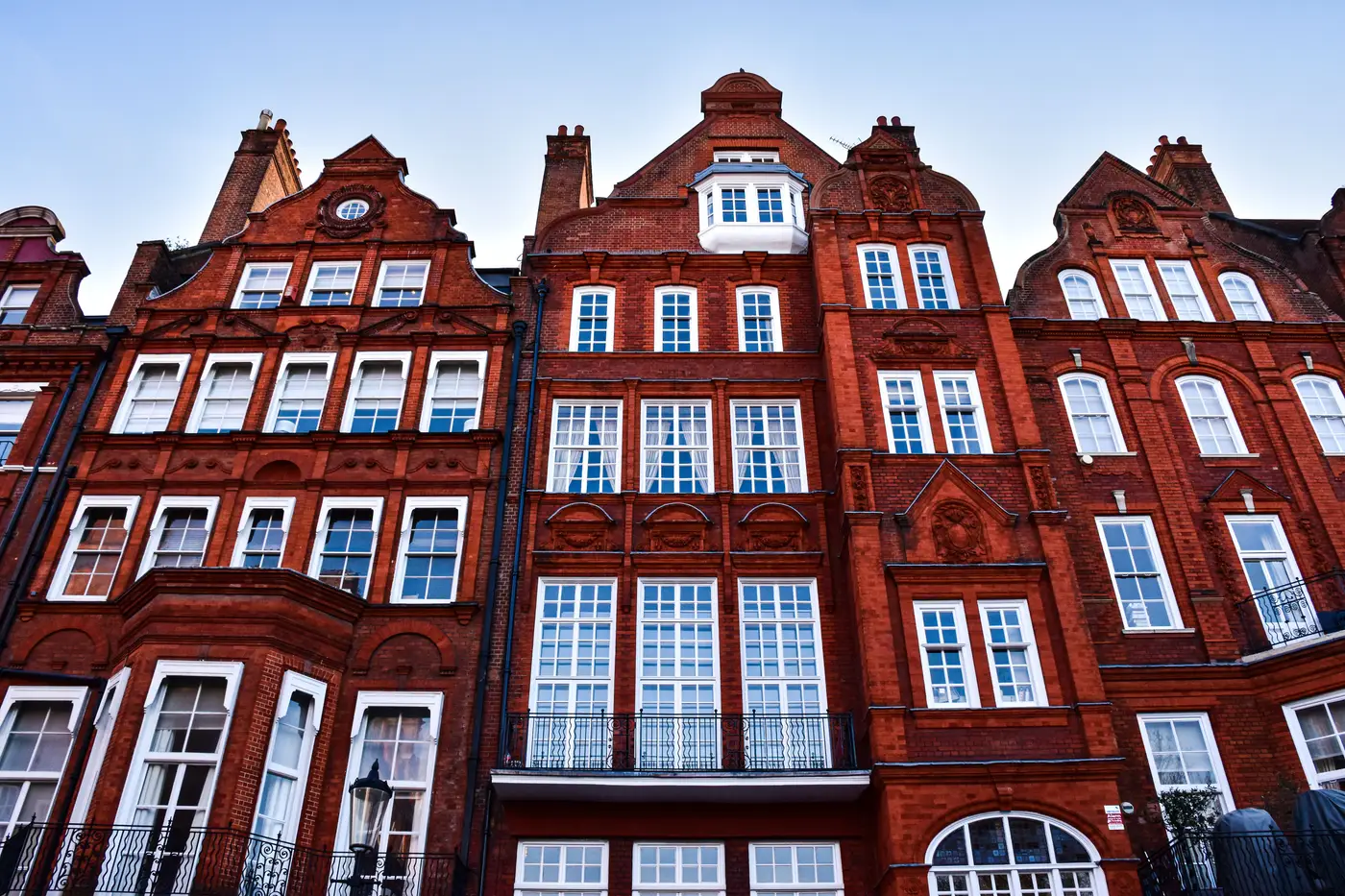
Every conservation officer has fielded this question from an applicant, a contractor, or a colleague new to the team: does commissioning a condition survey count as "works" requiring consent? Usually it doesn't, but there are enough edge cases that it's worth setting out properly.
Listed building consent (under the Planning (Listed Buildings and Conservation Areas) Act 1990) and scheduled monument consent (under the Ancient Monuments and Archaeological Areas Act 1979) both exist to control works that affect the special interest or significance of a designated asset. The key word is works. Recording an asset as it currently stands, without altering, repairing, or disturbing it, generally falls outside that control.
What counts as recording, and what doesn't
Photography from the public highway needs nothing. A photogrammetric survey flown by drone or fixed-wing aircraft, capturing RGB imagery of roof planes, elevations, or earthworks without any physical contact with the fabric, sits in the same category. No fixings, no scaffolding, no intrusion, no consent trigger.
Where it gets less clear:
Access equipment fixed to historic fabric for close inspection (cherry pickers are fine; scaffolding tied into a listed wall with resin anchors is not automatically fine) can itself constitute works, separate from whatever the inspection finds.
Ground control points for a photogrammetric survey on a scheduled monument are worth a second look. If placing or marking them disturbs topsoil, even shallow disturbance, that's ground intrusion on scheduled land, and scheduled monument consent covers any works, including those below ground, that affect the monument. Flying the drone needs no heritage consent at all; it's airspace, governed by CAA rules, not planning law. Pegging markers into the turf inside the scheduled area is the bit to check with Historic England or the local authority's own records first.
Test pits, trial trenching, or any intervention to establish structural condition below a visible surface are works in the plain sense, and need consent whether or not they're framed as "just survey."
So the rule of thumb most officers use: if the survey method leaves the fabric and the ground exactly as found, it's recording. If it changes anything, however briefly or reversibly, it's works, and the consent question has to be asked properly rather than assumed away.
When the survey becomes part of a consent application
The other situation that comes up constantly is the reverse one: an applicant submits a listed building consent or scheduled monument consent application for repair or alteration, and the condition evidence attached is thin. A handful of phone photos from a site visit, inconsistent in angle and lighting, doesn't give an officer or a committee much to assess a proposal against, and it gives the applicant nothing to measure the repair against once it's done.
Most local validation checklists expect condition evidence to accompany an application for repair works, and increasingly that means more than a photo set: elevation coverage, legible detail at the scale the proposed works operate at, and ideally something that can be revisited without relying on memory of where a photo was taken from. A dated, dimensionally accurate record also does useful work later, when a condition review two or five years on needs something firmer to compare against than "it looked about the same in the old photos."
That's the gap a measurable baseline closes. Heritage Documentation flies a drone or crewed aircraft survey over the monument and delivers a photogrammetric 3D model built from sub-10cm RGB imagery, then flies the same survey again at each condition review, so the comparison is between two models you can actually measure, not two photo albums held up next to each other.
If a consent application or a condition review on your books needs that kind of baseline rather than another set of site photos, that's exactly what we build.